Showing posts with label Navy radars. Show all posts
Showing posts with label Navy radars. Show all posts
Monday, March 24, 2014
Tuesday, March 4, 2014
Airbus Defence and Space naval radars to be showcased at DIMDEX 2014, booth No 435
At DIMDEX 2014, it's the first time that Airbus Defence and Space - a new division within the Airbus Group – is publicly present with all its four business lines at an exhibition in the Middle East region. The division has been formed by combining the business activities of Cassidian, Astrium and Airbus Military. At previous DIMDEX shows just Cassidian was present with its defence and security portfolio.
Airbus Defence and Space is Europe’s number one defence and space enterprise, the second largest space business worldwide and among the top ten global defence enterprises. It employs some 40,000 employees generating revenues of approximately €14 billion per year.
Within this new organisation Airbus Defence and Space is reinforcing its capabilities to service the customers better with a one-stop-shop offering an integrated portfolio based on one sales organisation under one strong brand, continue to build on a strong and reliable partnership with one known face to the customer and present the integrated and innovative product and services portfolio at competitive prices. The new Division started operating at executive level as of 1 January 2014.
Airbus Defence and Space is composed of four business lines: Military Aircraft; Space Systems; Communication, Intelligence & Security (CIS); and Electronics. It brings together a wide portfolio to continue to meet the complex needs of its customers across the world.
Airbus Defence & Space TRS-4D AESA radar will be fitted onboard German Navy's future F125 frigates. Picture: Airbus Defence & Space

The business line Electronics will show a new generation of naval radars with unprecedented capabilities for the surveillance of sea areas and countering asymmetric threats:
TRS-4D is the innovative step from conventional radar into a "new dimension" of operational capability. It enables ships from patrol vessels to frigate size to exert the different detection tasks of a ship-borne medium range surveillance and target acquisition radar, in blue waters and also in complex littorals with high target densities. It performs faster, more accurate and against a wider scope of targets than conventional radars. TRS-4D provides navies and coast guards with the benefits of solid-state based AESA technology, which up to now has been available to highly expensive systems only. A non-rotating variant with four fixed array panels is under production for the new F125 frigates of the German Navy.
Airbus Defence & Space TRSS (Tactical Radar for Surface Surveillance).
Picture: Airbus Defence & Space

Also on display is TRSS (= Tactical Radar for Surface Surveillance), a new naval X-Band radar optimized for the detection of extremely small objects and countering asymmetric threats. Based upon the latest AESA radar technology (AESA = Active Electronically Scanning Array), TRSS substantially increases the detection capabilities, and thus the protection level of navy ships and coast guard vessels. TRSS is able to detect and distinguish small objects precisely at close ranges, e.g. individual swimmers. These features give ship operators an optimal overview of the situation, e.g. against terrorist attacks, and enable ships to monitor movements on land.
Saturday, March 1, 2014
Radar technology a potential export earner as it gives Navy a battle edge

HMAS Perth returns to Garden Island after being fitted with
the new Phased Array RADAR System. Photo: Royal Australian Navy
Most modern radars really do work like the ones in the movies: they spin around, creating the familiar green line moving around a circle like a clock hand in fast-forward.
The problem with such radar for self-defence systems – shooting down incoming missiles – is the system can only check a particular direction every few seconds as the radar swings around.
With the fearsome weaponry carried on modern warships, every second counts in a fight – future sea battles might not last very long.
Monday, February 3, 2014
Thales Active Phased Array Radar excels in ESSM firings from new Danish Frigate
The trial, executed on 21 November 2013, consisted of four Evolved Sea Sparrow Missiles (ESSM) being directed by APAR to four targets. The trial was successful: all launched missiles performed a successful intercept. In the first part of the trial, a Banshee drone was eliminated by a missile launched by the new Royal Danish Navy Frigate HDMS Peter Willemoes (Iver Huitfeldt-class).
The new Royal Danish Navy Frigate HDMS Peter Willemoes (Iver Huitfeldt-class)
Picture: Berg2

With pinpoint accuracy APAR guided the missile to the target, resulting in a successful threat elimination. Subsequently, three Banshee drones were launched simultaneously, necessitating the launch and guidance of three missiles. Thanks to APAR’s unique Interrupted Continuous Wave Illumination technology, enabling the simultaneous guidance of multiple missiles to various targets; this part of the trial was also successful.
The trials were performed at the Missile Test Range off the Scottish coast in the Atlantic Ocean. HDMS Peter Willemoes was escorted by HDMS Niels Juel.
Gerben Edelijn, Thales Nederland’s CEO says: “This excellent result proves that Thales’ APAR and the unique technology are the standard in missile guidance.”
HDMS Peter Willemoes is one of the three Iver Huitfeldt class air defence frigates of the Royal Danish Navy. The other two ships are HDMS Iver Huitfeldt and HDMS Niels Juel. These ships share their Anti-Warfare suite with the Royal Netherlands Navy’s De Zeven Provincien-class frigates and the German Navy’s Sachsen-class frigates. The Thales sensors of this suite include the long range surveillance radar SMART-L and the multi-function radar APAR.
Video: Royal Danish Navy
Friday, December 20, 2013
Новый корабль ГРУ проследит за американской ПРО

Главное разведывательное управление России в 2014 году получит новый разведывательный корабль «Юрий Иванов» проекта 18280, пишет газета «Известия» со ссылкой на источник в Министерстве обороны. Новый корабль займется слежением за компонентами американской системы противоракетной обороны на Аляске и Гавайских островах. На «Юрии Иванове» установлена специальная аппаратура радиотехнической разведки, которая позволяет перехватывать и анализировать сигналы радиолокаторов, комплексов вооружения и систем связи.
По словам источника газеты, оборудование нового корабля сможет отслеживать сигналы разной мощности в разных диапазонах. При этом на «Юрии Иванове» не будет собственного вооружения, чтобы в случае обнаружения корабли НАТО не имели формального повода применить силу. Преимуществом нового корабля, основные характеристики и возможности которого засекречены, является то, что он, в отличие от самолета радиоэлектронной разведки, может находиться в зоне патрулирования несколько дней до обнаружения.
Строительством «Юрия Иванова» занимается петербургская «Северная верфь». Корабль был заложен в 2004 году, а передать его военным для испытаний планировалось еще в конце 2012 года. В состав флота корабль-разведчик планировалось включить в ноябре 2013 года. Однако во время строительства была допущена задержка в поставке двигательной установки 5ДРА с двумя дизельными двигателями 11Д42 «Коломенского завода». В итоге сроки сдачи «Юрия Иванова» перенесли на 2014 год.
Официально «Юрий Иванов» называется «специальным кораблем связи». Его длина составляет 95 метров, ширина ─ 16 метров, а осадка ─ четыре метра. Водоизмещение корабля составляет 2,5 тысячи тонн. Ранее сообщалось, что «Юрия Иванова» планируется включить в состав Тихоокеанского флота. В общей сложности по проекту 18280 планируется построить два разведывательных корабля.
Friday, December 13, 2013
Атомный корабль радиоэлектронной разведки ССВ-33 «Урал»

В 1977 году ЦК КПСС и СМ СССР приняли Постановление о создании корабля проекта 1941 (при закладке получившего название «Урал») с системой специальных технических средств разведки «Коралл».
После прибытия на место базирования (залив Стрелок, поселок Тихоокеанский, Тихоокеанский флот) экипаж начал подготовку к боевому походу в район испытательного ракетного полигона ПРО США на атолле Кваджелейн. Однако этот поход так и не состоялся. Долгое время экипаж, даже с помощью специалистов Балтийского завода, не мог устранить неисправность в системе охлаждения корабельной ядерной установки. Выпускники военных сухопутных училищ и академий — специалисты по эксплуатации уникальных комплексов системы «Коралл», МВК «Эльбрус» и функционального программного обеспечения — не желали больше служить на флоте и стали списываться на берег.
Проблему эксплуатации бортовой ядерной установки и основных комплексов системы «Коралл» Военно-морской флот не мог решить в течение нескольких лет. После распада СССР аппаратура была законсервирована, а технологические помещения заварены. Такой оказалась судьба большого атомного разведывательного корабля «Урал» с системой специальных технических средств разведки «Коралл».
Давайте узнаем подробнее историю этого корабля …
Wednesday, October 16, 2013
Raytheon to build advanced radar systems for US Navy
The US Navy has chosen Raytheon Co. over Lockheed Martin Corp and Northrop Grumman Corp to build its new defense radar for use on Arleigh Burke destroyers in a contract valued at $1.6 billion.
For use with the Aegis combat system, the next-gen air and missile defense systems will be integrated with the existing AN/SPQ-9B X-band radar when officially put to use in 2016. Designs are set to outfit at least 22 naval ships; half being built at General Dynamics Corp.'s Bath Iron Works in Maine.
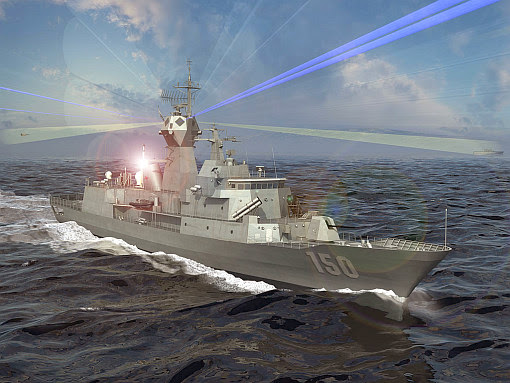
According to reports, the radar will be designed to detect long-range missiles.
Though the initial design contract was worth $386 million, the optional deal to procure up to nine radars brings the value up.
Saturday, October 12, 2013
Норвежский специальный корабль для ведения военной радиотехнической разведки

Военное судно «F/S Marjata» является специальным кораблем для ведения военной радиотехнической разведки и третьим с названием «Marjata», каждое из которых эксплуатировалось норвежским военно-морским флотом. Военное судно принадлежит норвежскому научно-исследовательскому институту обороны и считается самым современным кораблем такого типа.
Военное судно «F/S Marjata» построено 18 декабря 1992 года на судостроительной верфи «Langsten shipyard» являющееся филиалом компании «Aker Yards» («STX Europe»). Его основной базой является Киркенес.
Tuesday, August 13, 2013
Космический морской корабль

Корабль Тихоокеанского флота «Маршал Крылов» под командованием капитана 1 ранга Игоря Шалыны осенью 2012 года вышел в море для выполнения задач по прямому предназначению.
Этот корабль можно считать уникальным. Ведь он единственный в своем классе на флоте, выполняющий задачи по обеспечению летно-конструкторских испытаний новых образцов ракетно-космической техники (космических аппаратов, крылатых и баллистических ракет, ракет-носителей и др.).
24 июля 2012 года кораблю исполнилось 22 лет. В целях поддержания узлов и механизмов в исправном состоянии, корабль ставился на продолжительный доковый ремонт во Владивостоке, в ходе которого был выполнен весь комплекс работ на системах обеспечения. После этого «Маршал Крылов» успешно прошел ходовые испытания в Амурском заливе.
Давайте узнаем подробнее историю этого корабля.
Thursday, November 22, 2012
Thales naval radars at IndoDefence 2012
Thales is at the forefront of developing new naval solutions to meet evolving environmental and security challenges. The Group has been a long-term partner for more than 50 Navies worldwide, providing customers with innovating offerings, from system design to through-life support. At IndoDefence 2012, Thales was showcasing its SMART-S Mk2 and VARIANT radars. Both types are already selected by the Indonesian Navy.
Albert Willemsen, Regional Export Marketing & Sales Director Asia,
presents the Thales Naval Radars on display during Indodefence 2012
SMART-S Mk2 Link to Thales Smart-S Mk2 datasheet
Smart-S Mk2 is the continuous evolution of Thales proven 3D multi-beam radar family. This radar operates in E/F-band (or S-band) and is optimised for surveillance of 250 km with 70º elevation overage, target designation and undisturbed air and surface target tracking in littoral environments. Development of Smart-S Mk2 started in 2003 and at present no less than 40 systems have been sold. Smart-S Mk2 matches the full performance envelope of modern surface-to-air missiles, with direct assignment of VL-MICA, Evolved Sea Sparrow Missile (ESSM) and is suitable as a main air and surface surveillance radar for corvettes, frigates and amphibious ships. The radar offers two main modes, a special helicopter/UAS guidance capability and three surface fire control channels.
The SMART-S Mk2 has been selected to equip the future Indonesian Navy corvettes KPR. It has also been selected to upgrade the existing French Navy Cassard class Anti-Aircraft Frigates.
Thales VARIANT radar is currently in use by the Indonesian Navy as well as 8 other navies worldwide (Picture: Thales)

VARIANT
Variant is a multipurpose, short/medium range (70 km) 2D radar, simultaneously operating in the X and C-band for air and surface surveillance. Its principal role is as an automatic, fast reaction time radar sensor supplying targeting data to weapon systems. Its extensive features make Variant the answer in modern warfare, littoral and asymmetric threat environments. Variant provides air tracks without any operator intervention (auto target initiation and tracking). For surface targets, two fire control channels are available to support direct target engagement. The system is completed by an integrated Low Probability of Intercept (LPI) surface surveillance radar (SCOUT).
VARIANT has also been selected by the Indonesian Navy and is currently deployed onboard their Todak class Fast Patrol Boat
Many Thales systems will be onboard the future Indonesian Navy SIGMA PKR 10514 (Picture: Damen Schelde Naval Shipbuilding)

The Shipyard Royal Schelde and Thales deliver a wide range of products on the two corvettes that Royal Schelde has built for the Indonesian Navy. Thales supplies the ship's above-water defence system, the communication equipment and the sonar system. The first ship was commissioned in 2007. The corvettes are deployed by the Indonesian Navy chiefly for patrol duties in the Indonesian archipelago in order to combat smuggling, illegal fishery and piracy, especially in the Strait of Malacca. The above water defence systems installed on the corvettes, include: the TACTICOS, scaleable combat management system, the MW08 3D multiband surveillance radar, the LIROD Mk2 tracking radar, the LINK Y Mk2 datalink system and Target Designation Sights. For under water defence capability, the Thales Kingklip medium frequency active/passive Anti-Submarine Warfare (ASW) hull-mounted sonar has been selected. The corvettes' naval communication systems have been developed by Thales, based on the FOCON system. Thales has integrated the complete combat system on these corvettes.
Wednesday, October 24, 2012
"Космонавт Юрий Гагарин" в море.

“Космонавт Юрий Гагарин” — научно-исследовательское судно, флагман судов Службы космических исследований СССР. Построено на Балтийском судостроительном заводе в Ленинграде в 1971 году. Длина одиннадцатипалубного теплохода 231,6 м, ширина 32 м, мощность главного двигателя 14 000 кВт, скорость хода 18 узлов, водоизмещение 45 000 т. Экипаж 136 чел., состав экспедиции 212 чел. На борту 1250 помещений, в т.ч. 86 лабораторий. Было предназначено для решения задач управления и связи одновременно с несколькими КА и Центром управления полетом через КА «Молния». На борту судна 75 антенн, в т.ч. две антенны с параболическими отражателями диаметром 25 м. Судно могло находится в автономном плавании в течение 130 суток. Район работы – Атлантический океан.
Friday, July 6, 2012
‘Spy’ Radar Arrays Arrive in Adelaide

AN/SPY-1D(V) phased array radar for Hobart Class Air Warfare Destroyers (all photos : Lockheed Martin)
Minister for Defence Materiel Jason Clare announced the arrival in Adelaide of the first two state of the art ‘SPY’ radar array faces that will be installed on the Air Warfare Destroyers (AWDs).
“The multi-function SPY radar is capable of search, automatic detection, tracking of air and surface targets and missile engagement support,” Mr Clare said.
“It works to distinguish signals from stationary or moving targets and to identify and reject ‘clutter’ such as clouds and flocks of birds.”
Sunday, March 4, 2012
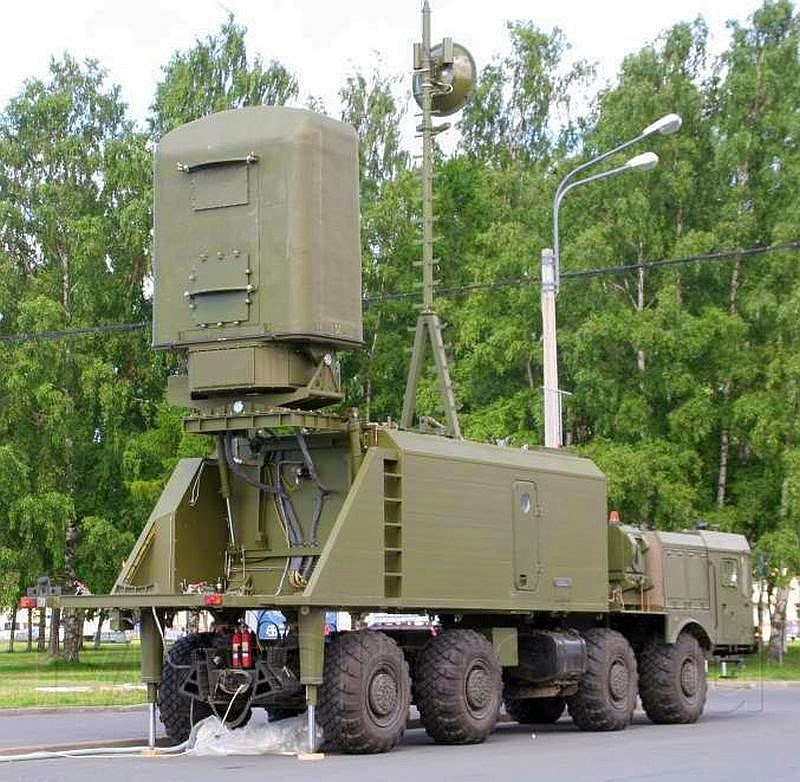
Монолит-Б – береговой комплекс разведки воздушной и надводной обстановки
Комплекс предназначается для загоризонтного обнаружения воздушных и надводных объектов и сопровождения обнаруженных объектов.
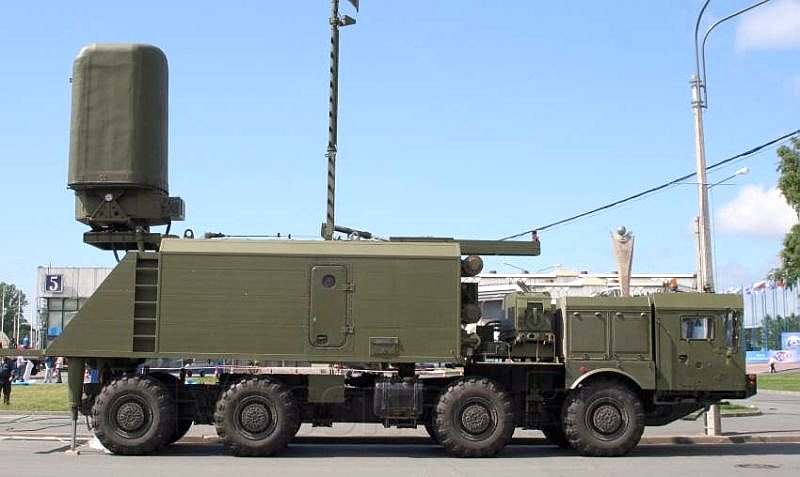
Для этого используются собственные средства активно-пассивной радиолокации, автоматизированные прием и обработка данных о надводно-воздушной обстановке. Данные снимаются с носителей изделий «Минерал-МЭ», спецаппаратуры сопряжения и от других источников получения данных – НП, вертолетов и кораблей. Данные снимаются по обычным линиям связи. Также комплекс используется для обработки и выдачи информации целеуказания системам управления ракетным вооружением береговых ракетных комплексов. Комплекс создан на шасси МЗКТ-7930. Основной разработчик - ОАО «Тайфун».
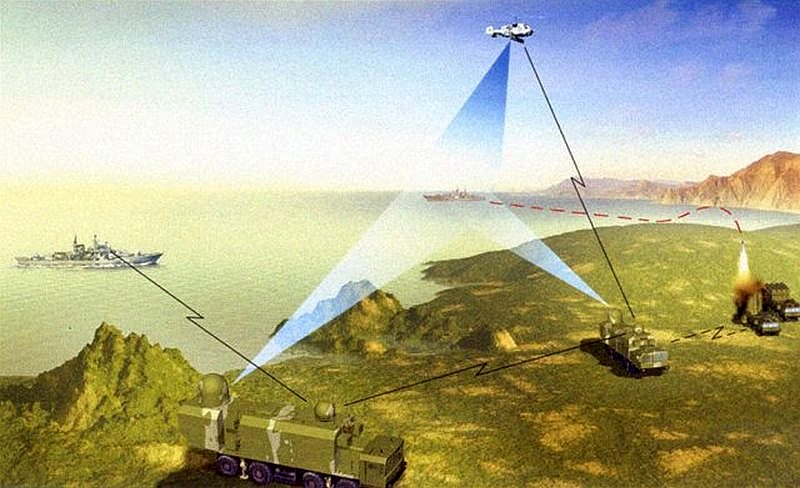
Комплекс способен обнаружить до 50 объектов по горизонту на дальности до 250 километров в пассивном режиме и 450 км в активном режиме радиолокации. В пассивном режиме сопровождается 10 обнаруженных объектов, в активном - более 30 объектов. Основные получатели целеуказания – ПБРК «Бастион» и ПБКРО «Клаб-М». Комплекс был представлен на международном военно-морском салоне «МВМС-2011», прошедшем в Санкт-Петербурге.
Saturday, February 18, 2012
Thursday, February 2, 2012
Lockheed Martin - Air and Missile Defense Radar S-Band (AMDR-S) Digital Array Radar
Lockheed Martin selected to demonstrate designs for next phase of Navy's Air and Missile Defense Radar program.
A $119 million U.S. Navy contract, awarded Sept. 30, advances Lockheed Martin another step in the Navy's competition for the next generation naval radar system capable of defeating anti-ship and ballistic missile threats.
Currently, the Navy's Air and Missile Defense Radar (AMDR) program is focused on developing and demonstrating an entirely new S-band radar and a scalable radar suite controller for multiple ship platforms, performing multiple missions, in the Fleet. The Navy began its AMDR program by awarding Lockheed Martin and two other contractors concept studies contracts in 2009. This new contract begins a 24-month technology demonstration phase, where Lockheed Martin and three other competitors now will show the Navy how their conceptual designs actually work.
"AMDR is an important program for Lockheed Martin and we are look forward to executing the technology demonstration phase contract. Our high performance radar suite is capable of supporting simultaneous, multi-mission operations in stressing environments while maintaining affordable lifecycle costs," said Carl Bannar, vice president of Radar Systems. "Our modular, open-architecture design for AMDR incorporates technologies matured through significant investment by our company and the Navy."
Lockheed Martin is a leader in S-band radar development and production, with more than 40 years of experience in the design, production and sustainment of naval radars for surface combatants. The company's SPY-1 family of radars -- with proven anti-air warfare and ballistic missile defense multi-mission capability -- is fielded on nearly 100 surface combatants worldwide.
Thursday, September 23, 2010
Radio Wave Propagation in the Marine Boundary Layer
Radio Wave Propagation in the Marine Boundary Layer by Alexander Kukushkin


Wednesday, June 10, 2009
US Navy Awards $217m Radar Contract to Raytheon
The US Navy has awarded a $217m contract to Raytheon to provide two volume search radar (VSR) arrays for the Zumwalt Class destroyer programme and the USS Gerald R Ford (CVN 78).
The architecture of the navy's dual-band radar (DBR) allows automatic operation with minimal human intervention and the integration of the S-band VSR radar arrays with SPY-3 X-band multi-function radar capabilities enhances the technology.
DBR is now under testing at the navy's engineering test centre in Virginia.
Under this contract the company will secure materials for the VSR as well as manufacture, test and deliver the radar system for the CVN 78 to support carrier air operations.
A second VSR unit for the Zumwalt Class destroyer programme will also be included in the contract.
The workplaces will be Raytheon's Surveillance and Sensor Center in Massachusetts and Lockheed Martin in New Jersey.
Subscribe to:
Posts (Atom)