Showing posts with label Military systems. Show all posts

Thursday, June 5, 2014

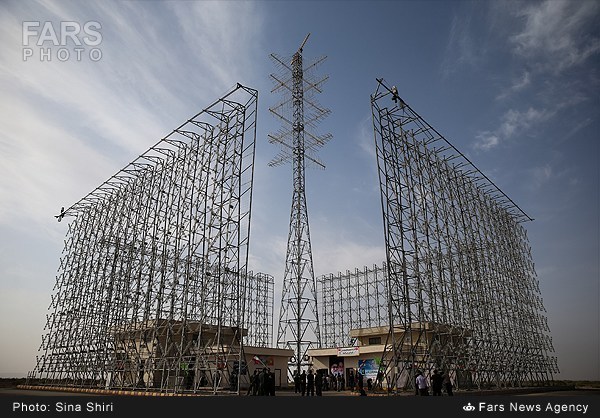
Iran launches cutting-edge Ghadir radar system

Iran's Islamic Revolution Guards Corps (IRGC) has officially put into service a domestically developed long-range radar system capable of detecting stealth aircraft.

The advanced radar system, named Ghadir, was unveiled in a ceremony attended by military top brass, including Commander of Khatam al-Anbiya Air Defense Base Brigadier General Farzad Esmaeili on Monday.

The state-of-the art radar system uses three-dimensional (3-D) technology to detect airborne targets, including radar-evading aircraft, cruise and ballistic missiles, and satellites in low Earth orbits. The system was first unveiled during the Great Prophet 6 military drills in 2011. It was later mass produced by the IRGC's Aerospace Division and underwent several tests in recent months

The Phased Array radar can monitor targets within a radius of 1,100 kilometers at a maximum 300-km altitude.

In November 2013, Iranian navy unveiled an indigenous state-of-the-art array radar system, dubbed Asr (Age), which can detect long-distance targets.
In recent years, Iran has made major breakthroughs in its defense sector and attained self-sufficiency in producing important military equipment and systems.

Despite its great defense achievements, the Islamic Republic has repeatedly said its military might poses no threat to other countries, insisting that its defense doctrine is merely based on deterrence.

3D Phased Array early-warning radar Ghadir, Iran

Иранская РЛС дальнего обнаружения Ghadir

В Иране наконец-то представили трехкоординатную РЛС дальнего обнаружения Ghadir, о строительстве и испытаниях которой много говорили в последние годы. РЛС построена в шахрестане Гермсар остана Семнан, дальность обнаружения целей составляет до 1100 км и высота до 300 км.

Иранская РЛС дальнего обнаружения Ghadir

Wednesday, April 23, 2014

ПВО Сирии

Башару Асаду нужно очень постараться, чтобы сорвать планы запада по «переформатированию» его страны

Уже больше года внимание всего мира приковано к ближневосточному региону, где в очередной раз решается судьба многих народов мусульманских стран. Новым объектом непосредственных государственных интересов США и их союзников по НАТО явилась Сирия с неугодным Западу режимом Башара Асада. Страна балансирует на грани настоящей гражданской войны с многочисленными людскими и материальными потерями. Гибнет мирное население, противоборствующие стороны, как водится, взаимно возлагают вину за это друг на друга. Отряды оппозиции, поддерживаемые Западом, приобретают организованную структуру, единое управление, получают поддержку вооружением, боеприпасами, продовольствием и т.п. с территории Турции, Ирака, Иордании, Ливана, так как сухопутные и воздушные границы Сирии практически открыты. Правительственные войска удерживают города и крупные населенные пункты, в то время как оппозиция контролирует около половины территории страны, включая почти всю сельскую местность.

Thursday, April 3, 2014

Мировой рынок самолетов ДРЛОиУ в 2010-2017 гг.

ЦАМТО, 31 марта. В предстоящий четырехлетний период (2014-2017 гг.) объем экспортных продаж новых самолетов ДРЛОиУ составит 11 машин на сумму 4,376 млрд дол в случае выполнения графиков поставок по текущим контрактам, заявленным намерениям и проводимым тендерам.
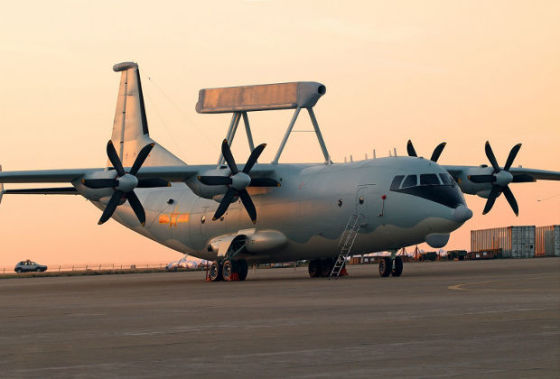
Самолет дальнего радиолокационного обнаружения и управления KJ-200 ВВС Китая

По оценке ЦАМТО, в прошедший 4-летний период (2010-2013 гг.) было поставлено на экспорт или произведено по лицензии не менее 30 новых самолетов на сумму 8,225 млрд дол.

Всего в 2010-2013 гг. было экспортировано 32 самолета ДРЛОиУ на сумму 8,3 млрд дол. При этом объем продаж новых самолетов в период 2010-2013 гг. составил 93,75% от общего количества или 99,1% от стоимости общемировых поставок.

В 2014-2017 гг. сокращение рынка в процентном выражении по сравнению с предыдущим 4-летним периодом составит 63,3% в количественном выражении и 46,8% – в стоимостном.

В 2010-2013 гг. средняя потребность в новых самолетах ДРЛОиУ на международном рынке составила почти 8 машин в год. В 2014-2017 гг. ежегодный спрос сократится до 3 ед.

По методике ЦАМТО, в категорию «новые» включены поставки новых самолетов ДРЛОиУ, а также поставки самолетов из состава ВС стран-экспортеров, модернизированных до уровня практически новых машин с продленным сроком эксплуатации, цена которых на момент поставки составляет более 50% от стоимости нового самолета того же типа на тот же период времени, но не менее 100 млн дол.

Первое место по периоду 2010-2017 гг. в рейтинге поставщиков новых самолетов ДРЛОиУ традиционно занимают США (17 машин на сумму 6,745 млрд дол). В 2010-2013 гг. на экспорт было поставлено 13 самолетов стоимостью 5,145 млрд дол, в 2014-2017 гг. поставки сократятся втрое и составят всего 4 новые машины на сумму 1,6 млрд дол (см. примечание).

Второе место по периоду 2010-2017 гг. занимает Швеция с комплексом ДРЛОиУ «Эриай», устанавливаемым на платформы по желанию заказчика (9 самолетов на сумму 2,111 млрд дол). В 2010-2013 гг. на экспорт было поставлено 8 самолетов стоимостью 1,444 млрд дол, на 2014-2017 гг. прогнозируется поставка 1 новой машины на сумму 667 млн дол.

Третье место по периоду 2010-2017 гг. занимает Израиль (7 машин на сумму 2,117 млрд дол). Поставки обеспечены комплексом ДРЛОиУ «Фалкон», устанавливаемым на платформы по желанию заказчика, и новейшей разработкой – компактной системой ДРЛОиУ CAEW на базе бизнес-лайнера G-550 «Гольфстрим». В 2010-2013 гг. на экспорт было поставлено 5 самолетов стоимостью 1,358 млрд дол, на период 2014-2017 гг. портфель заказов составляет 2 новые машины на сумму 758,6 млн дол.

Четвертое место с поставкой Пакистану в первом четырехлетнем периоде 4 самолетов ДРЛОиУ на базе комплекса KJ-200 стоимостью 278 млн дол занимает Китай.

По категории «тендер», результаты которых пока не подведены, в 2017 году возможна поставка 4 самолетов ДРЛОиУ на сумму около 1,35 млрд дол.

Примечание: в расчете не учтен контракт Катара с «Боингом» на поставку трех самолетов ДРЛОиУ общей стоимостью 6,6 млрд риалов (1,81 млрд дол), о подписании которого было объявлено 27 марта этого года.

Более подробный материал с табличными данными опубликован в журнале «Мировая торговля оружием» №2.

Права на данный материал принадлежат ЦАМТО
Материал был размещен правообладателем в открытом доступе.

Thursday, March 20, 2014

7th annual Military Radar Summit

Poland considers MEADS anti-missile radar

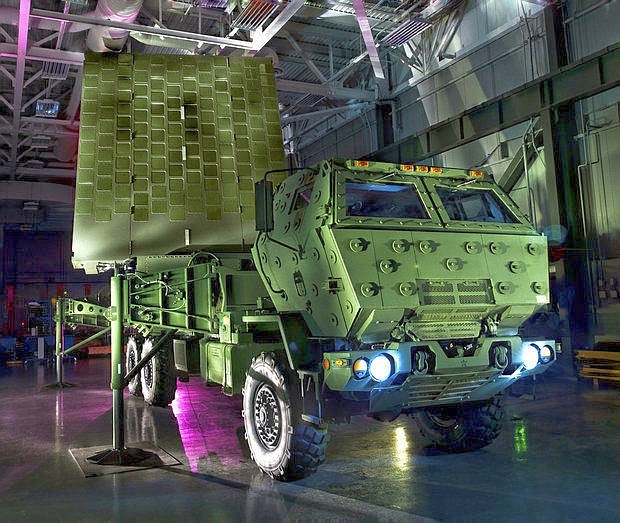
This surveillance radar for the MEADS missile defense system was designed and developed at the Lockheed Martin plant in Salina, NY. Costs were shared by NATO allies the United States, Germany and Italy. The surveillance radar can search 360-degrees for incoming missiles, planes and drones and be hauled around on the back of a truck. (Courtesy Lockheed Martin)

WASHINGTON -- A missile defense system the United States has no plans to deploy may find new life in Poland, where leaders Tuesday welcomed Vice President Joe Biden amid rising tensions over Russia's takeover of Crimea.

As Biden visited with President Bronislaw Komorowski in Warsaw, other Polish leaders met privately Tuesday with executives from MEADS International, the consortium developing the Medium Extended Air Defense System.

Poland selected MEADS International, and its main U.S. partner -- Lockheed Martin Corp. -- as one of four finalists for a contract worth up to $5 billion to modernize its air and missile defense systems.

If MEADS wins the competition, it would help boost business at Lockheed Martin in Salina, which developed the 360-degree search radar for the anti-missile system.
The other finalists for the Polish contract are a French consortium that includes Thales and MBDA, the Israeli government, and Massachusetts-based Raytheon, developer of the Patriot anti-missile system.

Tuesday, March 4, 2014

Airbus Defence and Space naval radars to be showcased at DIMDEX 2014, booth No 435

At DIMDEX 2014, it's the first time that Airbus Defence and Space - a new division within the Airbus Group – is publicly present with all its four business lines at an exhibition in the Middle East region. The division has been formed by combining the business activities of Cassidian, Astrium and Airbus Military. At previous DIMDEX shows just Cassidian was present with its defence and security portfolio.

Airbus Defence and Space is Europe’s number one defence and space enterprise, the second largest space business worldwide and among the top ten global defence enterprises. It employs some 40,000 employees generating revenues of approximately €14 billion per year.

Within this new organisation Airbus Defence and Space is reinforcing its capabilities to service the customers better with a one-stop-shop offering an integrated portfolio based on one sales organisation under one strong brand, continue to build on a strong and reliable partnership with one known face to the customer and present the integrated and innovative product and services portfolio at competitive prices. The new Division started operating at executive level as of 1 January 2014.

Airbus Defence and Space is composed of four business lines: Military Aircraft; Space Systems; Communication, Intelligence & Security (CIS); and Electronics. It brings together a wide portfolio to continue to meet the complex needs of its customers across the world.

At DIMDEX 2014, it's the first time that Airbus Defence and Space - a new division within the Airbus Group – is publicly present with all its four business lines at an exhibition in the Middle East region. The division has been formed by combining the business activities of Cassidian, Astrium and Airbus Military. At previous DIMDEX shows just Cassidian was present with its defence and security portfolio.
Airbus Defence & Space TRS-4D AESA radar will be fitted onboard German Navy's future F125 frigates. Picture: Airbus Defence & Space

The business line Electronics will show a new generation of naval radars with unprecedented capabilities for the surveillance of sea areas and countering asymmetric threats:

TRS-4D is the innovative step from conventional radar into a "new dimension" of operational capability. It enables ships from patrol vessels to frigate size to exert the different detection tasks of a ship-borne medium range surveillance and target acquisition radar, in blue waters and also in complex littorals with high target densities. It performs faster, more accurate and against a wider scope of targets than conventional radars. TRS-4D provides navies and coast guards with the benefits of solid-state based AESA technology, which up to now has been available to highly expensive systems only. A non-rotating variant with four fixed array panels is under production for the new F125 frigates of the German Navy.

At DIMDEX 2014, it's the first time that Airbus Defence and Space - a new division within the Airbus Group – is publicly present with all its four business lines at an exhibition in the Middle East region. The division has been formed by combining the business activities of Cassidian, Astrium and Airbus Military. At previous DIMDEX shows just Cassidian was present with its defence and security portfolio.
Airbus Defence & Space TRSS (Tactical Radar for Surface Surveillance).
Picture: Airbus Defence & Space

Also on display is TRSS (= Tactical Radar for Surface Surveillance), a new naval X-Band radar optimized for the detection of extremely small objects and countering asymmetric threats. Based upon the latest AESA radar technology (AESA = Active Electronically Scanning Array), TRSS substantially increases the detection capabilities, and thus the protection level of navy ships and coast guard vessels. TRSS is able to detect and distinguish small objects precisely at close ranges, e.g. individual swimmers. These features give ship operators an optimal overview of the situation, e.g. against terrorist attacks, and enable ships to monitor movements on land.

Source

Friday, February 21, 2014

Military radar market

The shipment of military radar equipment is set to grow at a compound annual growth rate of 5.4 percent over the next eight years, for a market value of $16 billion in 2022, according to new reports.

The emergence of new platforms, retrofitting existing platforms with new technologies as well as general maintenance of systems across land, air and naval domains will lead to an increase in military radar spending, according to new reports.

Despite budgetary constraints, the North American region, led by the US, will drive the bulk of expenditure accounting for over 48 percent of global military radar spend.

Asia-Pacific military radar spending will be driven by internal capability development as well as acquisition of platforms and radar systems to maintain competencies against both regional and international challenges.

"Military radar systems shipments will exceed 900 units by 2022 across land, airborne and ship-based systems," notes Eric Higham, North American Director for ADS, which has released several reports on military radars. "Demand from airborne platforms will dominate overall unit demand reflecting the overall trends of system demand from emerging platforms such as the F-35, as well as upgrading existing platforms with new radar capabilities."

"The associated market for electronic components will grow at a CAGR [compound annual growth rate] of over 13 percent, with the move towards active electronically scanned array (AESA) radar in particular underpinning next generation capabilities," predicts Asif Anwar, Director at Strategy Analytics. "This will continue the drive towards radar systems underpinned by semiconductor technologies such as gallium nitride (GaN) though tube-based solutions will continue to support legacy systems, as well as being used in those cases where the capabilities offered by AESA-based systems are either not required or prove too costly for the required mission."

According to a report released last year, the military radar systems market was worth $8.57 billion in 2013. The report released last year cautioned that the global military radar systems market was in a state of flux, primarily as a result of sweeping defence budget cuts in many established markets which have impacted heavily on procurement.
“While counteracting forces of spending increases in emerging markets and new technologies are undoubtedly present, they represent only a limited effect on the military radar systems market as a whole,” according to the Visiongain report entitled “Global Military Radar Systems Market 2013-2023.”

“The security picture over the next decade (involving increased access to ballistic missile technologies and increased tensions in East Asia and the Middle East) will continue to provide a pressing need for procurement and upgraded radar technology, although these demands will continue to be counterbalanced by economic reality,” the report said.

EADS Group, Israeli Aerospace Industries, Northrop Grumman Corporation, ThalesRaytheonSystems and Lockheed Martin Corporation are among the prominent participants in the global military radar systems arena.

The Visiongain author of the military radar systems report said that: “core markets [are] now the preserve of a dominant few players, while smaller and newer vendors seek to compete in the margins and in emerging areas. While defence cutbacks in many developed markets are ongoing, the combined effects of spending in developing markets and the increased proliferation of advanced weapons systems is expected to drive the market in the years to come. There will be restrictions on spending in certain areas, while others will avoid projected budget cuts entirely; the trick for investors and businesses will be in foreknowledge of these areas and active efforts to seize the opportunities which are present, both now and in the future.”

Source

Monday, December 23, 2013

"Красуха-4" - грозное оружие против любых воздушных целей

Уникальный комплекс радиоэлектронной борьбы поступает на вооружение российской армии

Новая машина "Красуха-4" - грозное оружие борьбы практически с любыми воздушными целями противника. Только побеждает она их не мощными ракетами, скорострельными орудиями или зенитными крупнокалиберными пулеметами. "Красуха" в буквальном смысле делает самолеты и ракеты слепыми и глухими. Репортах о новом уникальном комплексе радиоэлектронной борьбы подготовил телеканал "Россия-24".

Еще вчера об этой машине нельзя было говорить не только в медиа, но и за пределами оборонных заводов и особо охраняемых воинских частей. Было, что скрывать. "Красуха-4" - новейшая и одна из самых высокотехнологичных разработок российского ВПК.

"Система создает такие условия, что попасть противникам в нашу авиацию и сбить тот или иной самолет очень сложно при комплексе "Красуха-4". 99%, что это невозможно", - рассказал гендиректор КРЭТ Николай Колесов.

Такие умные машины - на вес золота. Их задача - действовать на стратегически важных направлениях. Там, где особенно активная разведывательная авиация и даже спутники-разведчики космической группировки противника. Тактико-технические характеристики "Красухи-4" - военная тайна. Однако известно из открытых источников, что радиус ее действия превышает 300 км. На вопрос о высоте разработчики с улыбкой отвечают: "достаточно, мало не покажется".

Friday, December 20, 2013

Новый корабль ГРУ проследит за американской ПРО

Разведывательный корабль «Юрий Иванов» проекта 18280

Главное разведывательное управление России в 2014 году получит новый разведывательный корабль «Юрий Иванов» проекта 18280, пишет газета «Известия» со ссылкой на источник в Министерстве обороны. Новый корабль займется слежением за компонентами американской системы противоракетной обороны на Аляске и Гавайских островах. На «Юрии Иванове» установлена специальная аппаратура радиотехнической разведки, которая позволяет перехватывать и анализировать сигналы радиолокаторов, комплексов вооружения и систем связи.

По словам источника газеты, оборудование нового корабля сможет отслеживать сигналы разной мощности в разных диапазонах. При этом на «Юрии Иванове» не будет собственного вооружения, чтобы в случае обнаружения корабли НАТО не имели формального повода применить силу. Преимуществом нового корабля, основные характеристики и возможности которого засекречены, является то, что он, в отличие от самолета радиоэлектронной разведки, может находиться в зоне патрулирования несколько дней до обнаружения.

Строительством «Юрия Иванова» занимается петербургская «Северная верфь». Корабль был заложен в 2004 году, а передать его военным для испытаний планировалось еще в конце 2012 года. В состав флота корабль-разведчик планировалось включить в ноябре 2013 года. Однако во время строительства была допущена задержка в поставке двигательной установки 5ДРА с двумя дизельными двигателями 11Д42 «Коломенского завода». В итоге сроки сдачи «Юрия Иванова» перенесли на 2014 год.

Официально «Юрий Иванов» называется «специальным кораблем связи». Его длина составляет 95 метров, ширина ─ 16 метров, а осадка ─ четыре метра. Водоизмещение корабля составляет 2,5 тысячи тонн. Ранее сообщалось, что «Юрия Иванова» планируется включить в состав Тихоокеанского флота. В общей сложности по проекту 18280 планируется построить два разведывательных корабля.

Источник

Wednesday, October 16, 2013

Raytheon to build advanced radar systems for US Navy

The US Navy has chosen Raytheon Co. over Lockheed Martin Corp and Northrop Grumman Corp to build its new defense radar for use on Arleigh Burke destroyers in a contract valued at $1.6 billion.

For use with the Aegis combat system, the next-gen air and missile defense systems will be integrated with the existing AN/SPQ-9B X-band radar when officially put to use in 2016. Designs are set to outfit at least 22 naval ships; half being built at General Dynamics Corp.'s Bath Iron Works in Maine.

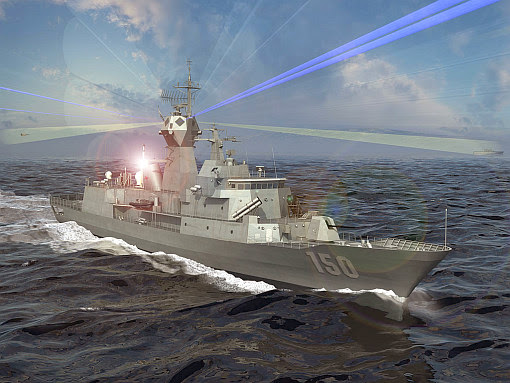
Air and Missile Defense Radar (AMDR) concept

According to reports, the radar will be designed to detect long-range missiles. 

Though the initial design contract was worth $386 million, the optional deal to procure up to nine radars brings the value up.

Saturday, October 12, 2013

Норвежский специальный корабль для ведения военной радиотехнической разведки

Норвежский специальный корабль для ведения военной радиотехнической разведки F/S Marjata

Военное судно «F/S Marjata» является специальным кораблем для ведения военной радиотехнической разведки и третьим с названием «Marjata», каждое из которых эксплуатировалось норвежским военно-морским флотом. Военное судно принадлежит норвежскому научно-исследовательскому институту обороны и считается самым современным кораблем такого типа.

Военное судно «F/S Marjata» построено 18 декабря 1992 года на судостроительной верфи «Langsten shipyard» являющееся филиалом компании «Aker Yards» («STX Europe»). Его основной базой является Киркенес.

Thursday, April 5, 2012

Ми-28Н с модифицированной РЛС

Новейшая фотография известного боевого вертолета Ми-28Н (бортовой номер "36 желтый", серийный номер 01-05, заводской номер 34012835105), используемого ОАО "Московский вертолётный завод имени М.Л. Миля" для отработки бортовой РЛС Н025 в надвтулочном обтекателе. Данный борт стал первым экземпляром вертолета Ми-28Н, получившем РЛС Н025, начав испытательные полеты с ней в феврале 2007 года. На данной фотографии, сделанной 2 апреля 2012 года, заметно, что обтекатель антенны РЛС несколько отличается деталями от ранее использовавшегося, что заставляет сделать вывод о начале испытаний доработанного варианта РЛС Н025.

Mi-28H-H025

Ми-28Н (бортовой номер "36 желтый", серийный номер 01-05, заводской номер 34012835105) с модифицированной РЛС Н025. Панки, 02.04.2012 (с) kabuki/russianplanes.net

Thursday, February 2, 2012

Lockheed Martin - Air and Missile Defense Radar S-Band (AMDR-S) Digital Array Radar

Lockheed Martin selected to demonstrate designs for next phase of Navy's Air and Missile Defense Radar program.

A $119 million U.S. Navy contract, awarded Sept. 30, advances Lockheed Martin another step in the Navy's competition for the next generation naval radar system capable of defeating anti-ship and ballistic missile threats.
Currently, the Navy's Air and Missile Defense Radar (AMDR) program is focused on developing and demonstrating an entirely new S-band radar and a scalable radar suite controller for multiple ship platforms, performing multiple missions, in the Fleet. The Navy began its AMDR program by awarding Lockheed Martin and two other contractors concept studies contracts in 2009. This new contract begins a 24-month technology demonstration phase, where Lockheed Martin and three other competitors now will show the Navy how their conceptual designs actually work.
"AMDR is an important program for Lockheed Martin and we are look forward to executing the technology demonstration phase contract. Our high performance radar suite is capable of supporting simultaneous, multi-mission operations in stressing environments while maintaining affordable lifecycle costs," said Carl Bannar, vice president of Radar Systems. "Our modular, open-architecture design for AMDR incorporates technologies matured through significant investment by our company and the Navy."
Lockheed Martin is a leader in S-band radar development and production, with more than 40 years of experience in the design, production and sustainment of naval radars for surface combatants. The company's SPY-1 family of radars -- with proven anti-air warfare and ballistic missile defense multi-mission capability -- is fielded on nearly 100 surface combatants worldwide.

Friday, December 30, 2011

ЗРК Crotale-NG/Chun Ma

Кроталь (фр. Crotale – гремучая змея) – французский всепогодный ЗРК малой дальности, который предназначен для уничтожения воздушных целей в диапазонах средних, малых и предельно малых высот. Может применяться как в качестве комплекса ПВО для обороны стратегически важных объектов, стартовых позиций ракет, центров управления, так и для прикрытия развертывания и боевых порядков войск. ЗРК Crotale создан французской компанией «Thomson-CSF/Matra» и существует в 2-х основных вариантах развертывания: наземном подвижном и морском корабельном варианте. Ракета комплекса может достигать своей максимальной скорости в 2,3 Маха лишь в течение нескольких секунд. В настоящее время комплекс находится на вооружении Франции, Нидерландов, Греции, Финляндии. С момента своего создания ЗРК неоднократно модернизировался.

ЗРК Crotale-NG/Chun Ma

Последней версией комплекса является Crotale-NG (New Generation — новое поколение). Основной задачей данного комплекса ПВО является прикрытие танковых частей на марше, а также осуществление зональной и объектовой ПВО. Серийное производство Crotale-NG было начато в 1990 году. Практически сразу 20 ЗРК на гусеничном ходу на базе «Sisu ХА-180» приобрела Финляндия, 12 комплексов стационарного базирования закупили ВВС и ВМС Франции (авиатранспортабельные огневые узлы контейнерного типа), еще 11 комплексов купила Греция (9 для сухопутных войск и 2 для ВМС).

Thursday, December 15, 2011

РЛС “Небо-М” для войск ВКО

Войска ВКО наращивают потенциал - РЛС «Небо-М»

С 2012 года в подразделения ВКО поступит новый радиолокационный комплекс «Небо-М». Основное предназначение данной РЛК – отслеживание объектов на больших и средних высотах .

Wednesday, October 19, 2011

Missile defense system fight in Washington puts Lockheed's Syracuse-area jobs in crosshairs

This is the first publicly released photo of a prototype of the MEADS missile defense system surveillance radar that was designed and developed at the Lockheed plant in Salina, NY, for the U.S. Army. The surveillance radar can search 360-degrees for incoming missiles, planes and drones and be hauled around on the back of a truck. (Photo supplied by Lockheed Martin Corp.)

Photo supplied by Lockheed Martin Corp.This is the first publicly released photo of a prototype of the MEADS missile defense system surveillance radar that was designed and developed at the Lockheed plant in Salina, NY, for the U.S. Army. The surveillance radar can search 360-degrees for incoming missiles, planes and drones and be hauled around on the back of a truck.

Washington, D.C. -- Hundreds of Central New York workers building a long-delayed missile defense system could lose their jobs if Congress proceeds with a plan to eliminate the program’s funding.

Lockheed Martin’s plant in Salina has a $625 million share of the multibillion-dollar contract to design and develop the Medium Extended Air Defense System, or MEADS.

About 325 Lockheed engineers and technicians in Salina have been building two radars to spot and track enemy missiles, fighter jets or drones — and target them with interceptor missiles.

The United States, with partners Germany and Italy, already has spent $3.4 billion to develop its replacement of the Army’s aging Patriot missile defenses.